Choosing Storage Containers for Australia
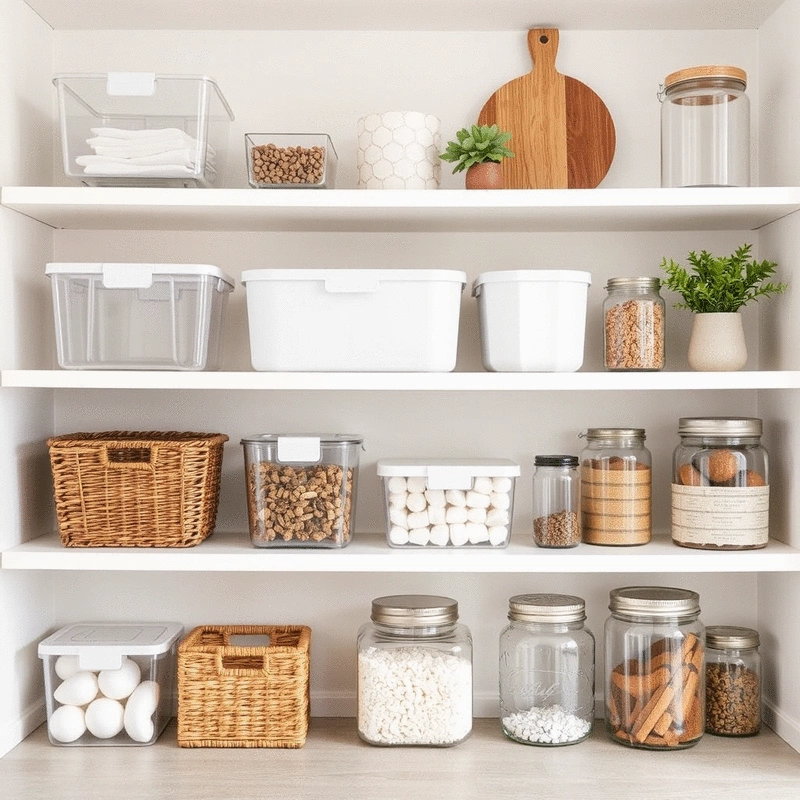
Are you ready to transform your home into a clutter-free oasis? Understanding your unique storage needs is the first step in creating an organized space that reflects your lifestyle.
What You Will Learn
- Assess your storage requirements based on the size of your home—1-bedroom, 2-3 bedroom, and 4+ bedroom homes all have different needs.
- Utilize space-saving strategies like vertical storage and multifunctional furniture to maximize your available area.
- Conduct a comprehensive inventory to categorize your items, making it easier to determine what to store and how much space you'll need.
- Implement smart packing strategies, such as using vacuum-sealed bags and filling empty spaces, to make the most of your storage containers.
- Choose the right containers by considering size, material, and cost to create a customized storage solution that meets your needs.
Storage Needs Based on Home Size
Understanding the appropriate storage containers for different home sizes can significantly enhance organization. Below is a comparison of recommended container sizes based on the number of bedrooms.
1-Bedroom Homes
- Smaller containers recommended
- Multifunctional furniture like ottomans with storage
- Ideal for limited space
2-3 Bedroom Homes
- Medium-sized bins and containers
- Vertical storage solutions like shelves
- Suitable for shared spaces
4+ Bedroom Homes
- Larger containers for effective management
- Designated storage areas for seasonal items
- Utilize vertical space with stackable containers
Understanding Your Storage Needs for Australian Homes
When it comes to organizing your home, understanding your unique storage needs is the first step toward creating a clutter-free environment. Every home, whether it's a cozy apartment or a spacious family house, presents distinct challenges and opportunities for effective storage. At Organized Aussie, we believe that identifying these needs can transform your living space, making it more functional and enjoyable. For more tips on maximizing your living area, check out these smart storage ideas for apartments.
Australia's diverse housing styles—from quaint cottages to sprawling suburban homes—mean that storage solutions should be tailored to your specific space. Let’s delve deeper into how to identify your storage requirements and make the most of your available space!
Identifying Your Storage Requirements Based on Home Size
Understanding the size of your home is crucial in determining the right storage options. A 1-bedroom home may require different solutions compared to a 2 or 3-bedroom space. Here’s a quick breakdown to help you assess your needs:
- 1-Bedroom Homes: Opt for smaller containers and multifunctional furniture like ottomans with storage.
- 2-3 Bedroom Homes: Use medium-sized bins and consider vertical storage solutions, such as shelves.
- 4+ Bedroom Homes: Invest in larger containers and designated storage areas for seasonal items and hobbies.
By matching container sizes with your home's characteristics, you can enhance your organization strategy. Remember that every bit of space counts, so try to think creatively about how to utilize your available areas!
1-Bedroom vs. 2-3 Bedroom Homes: Appropriate Container Sizes
In a 1-bedroom home, space is often limited, so choose containers like clear plastic bins that help you see what’s inside. These can easily fit under beds or in closets. For 2-3 bedroom homes, larger containers are great for shared spaces, like living rooms and garages, where more items need to be stored. A mix of medium and large containers will help maintain order without overwhelming your space. Additionally, exploring decluttering tips for Australian homes can further enhance your organization efforts.
Consider also how often you need to access these items. For things you use regularly, choose containers that are easy to reach and open.
4+ Bedroom Homes: Maximizing Space with the Right Containers
With a 4+ bedroom home, maximizing space is key. Larger storage containers can help you manage the volume of belongings effectively. Here are some strategies:
- Utilize Vertical Space: Stackable containers can be a game-changer!
- Label Everything: This makes it easier for everyone in the family to find and return items.
- Seasonal Rotation: Use larger containers for seasonal items that you won’t need for months.
By strategically choosing your containers, you’ll not only create more space but also maintain a peaceful atmosphere in your home.
Evaluating Item Inventory and Packing Requirements
Before diving into storage solutions, it's important to evaluate what items you have and how they need to be packed. This step can significantly impact your organization efforts!
Start by conducting a thorough inventory of your belongings. It’s helpful to categorize items to understand what you need to store and how much space you'll require. Here’s a quick guide to get you started:
- Clothing: Seasonal items can be packed away, while everyday clothes should be easily accessible.
- Kitchenware: Group items by use, like baking and cooking, to streamline packing.
- Hobby Supplies: Keep supplies together for easy access related to your hobbies!
Assessing What to Store: A Comprehensive Inventory Guide
When assessing what to store, consider the following:
- Items used regularly should go in accessible storage.
- Sentimental items can be kept in decorative boxes.
- Things not used for over a year might be candidates for donation.
This method not only helps declutter but also makes packing for storage much easier. Remember, a well-organized inventory can save you time and stress! To further help with this process, consider exploring how to declutter your small Aussie apartment.
Understanding Packing Strategies for Efficient Use of Space
Utilizing smart packing strategies can maximize your storage space. Here are some tips to help you pack efficiently:
- Use Vacuum-Sealed Bags: These are perfect for clothing and bedding, saving heaps of space.
- Fill Empty Spaces: Use smaller items to fill gaps in larger containers to avoid wasted space.
- Stack Wisely: Layer heavier items at the bottom and lighter ones on top.
By employing these strategies, you can create a more organized and functional storage system, making your home feel more spacious and manageable!
Pro Tip
Did you know? One of the best ways to optimize your storage is by using clear containers for visibility. Not only do they make it easy to see what's inside, but they also encourage you to keep your items organized. Labeling these containers can further enhance accessibility, allowing everyone in your household to find and return items with ease.
Summarizing Key Takeaways for Selecting Storage Containers
As we wrap up our exploration of storage container solutions, it's important to keep a few key takeaways in mind. Choosing the right containers involves a balance of size, material, and cost. With the right approach, you can create a storage system that not only meets your needs but also enhances the organization of your living space.
Remember, not all storage solutions are created equal! Depending on your home size and the items you need to store, you may require different types of containers. It's essential to evaluate your specific situation—this is where a personalized touch from Organized Aussie can really make a difference. After all, a well-organized home starts with understanding what works best for you!
Recap of Important Factors in Choosing the Right Containers
To help you make informed decisions about your storage containers, here’s a quick recap of factors to consider:
- Size: Ensure the containers fit your available space and the items you're storing.
- Material: Choose durable materials that suit your environment—plastic for moisture resistance or cardboard for lightweight needs.
- Cost: Compare prices and consider rental options if you're looking for budget-friendly solutions.
This thoughtful approach will help you achieve an organized space that reflects your lifestyle while being practical. And remember, it’s perfectly okay to ask for help—whether it’s from family or local storage providers, you don’t have to tackle this alone!
Encouraging Further Exploration and Action
If you're feeling inspired to take the next steps in your storage journey, I encourage you to explore local storage providers. They often have valuable insights into the best solutions for your specific needs, tailored to the unique challenges of Australian homes.
Additionally, don't hesitate to reach out to us at Organized Aussie! We're here to provide you with practical advice and innovative space-saving tips that can transform your home into a clutter-free haven. Your journey towards an organized lifestyle is just a conversation away!
Frequently Asked Questions on Storage Container Selection
Many people have similar questions when it comes to selecting the right storage containers. Here are some common queries I've encountered:
- What size containers should I use for different items? Consider creating an inventory list to determine the sizes that best fit your needs.
- Which materials are most durable? Plastic bins are great for long-term storage, while cardboard is suitable for lighter, short-term needs.
- Can you recommend some DIY storage projects? Absolutely! DIY options like repurposing old crates or building shelving units can be both cost-effective and creative!
These questions are just the tip of the iceberg. As you navigate your storage needs, remember that the key to successful organization lies in understanding your unique situation and preferences. Don't shy away from experimenting with different solutions to discover what works best for you! For more comprehensive guides, you might find our article on effective rubbish removal strategies helpful.
FAQs About Storage Container Selection and Home Organization
- How do I determine the right size containers for my home?
Assess your home size (1-bedroom, 2-3 bedroom, 4+ bedroom) and the volume of items you need to store. Smaller containers are ideal for 1-bedroom homes, while larger, stackable options suit 4+ bedroom homes best.
- What are some effective space-saving strategies for small homes?
For smaller spaces, utilize multifunctional furniture, vertical storage solutions like shelves, and vacuum-sealed bags for clothing. Clear containers also help maximize visibility and organization.
- How should I conduct an inventory of my items before storing?
Categorize items by type (clothing, kitchenware, hobbies) and frequency of use. Items used regularly should be easily accessible, while sentimental or seasonal items can be stored in designated areas.
- What are the best packing strategies to maximize container space?
Use vacuum-sealed bags for soft items, fill empty spaces in larger containers with smaller items, and stack heavier items at the bottom with lighter ones on top for stability.
- What factors should I consider when choosing storage container materials?
Consider durability, environment, and cost. Plastic bins are great for moisture resistance and long-term storage, while cardboard is suitable for lightweight, short-term needs. Always ensure the containers fit your available space.
Recap of Key Points
Here is a quick recap of the important points discussed in the article:
- Assess Your Home Size: Tailor your storage solutions based on the size of your home, with specific recommendations for 1-bedroom, 2-3 bedroom, and 4+ bedroom homes.
- Evaluate Item Inventory: Conduct a thorough inventory of your belongings to categorize items and understand your storage needs.
- Choose the Right Containers: Select containers based on size, material, and cost to effectively accommodate your items and available space.
- Implement Packing Strategies: Utilize vacuum-sealed bags, fill empty spaces, and stack items wisely to maximize storage efficiency.
- Label Everything: Make your storage easily accessible for everyone in the household by clearly labeling containers.

Clara Jameson
As a passionate home organization expert and interior design enthusiast based in Australia, I believe that a well-organized home fosters a more tranquil and productive lifestyle. With years of experience helping families declutter and transform their living spaces, I aim to empower Australians to create beautiful, functional environments. Join me on this journey to discover practical home organization solutions and innovative space-saving tips tailored specifically for Australian homes!
Popular Posts
Smart Living for Growing Families
![Smart Living for Growing Families]() Ever felt like your home is shrinking as your family grows? The reality of small space living with k
Ever felt like your home is shrinking as your family grows? The reality of small space living with k
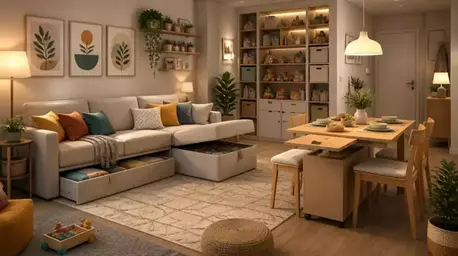 Ever felt like your home is shrinking as your family grows? The reality of small space living with k
Clear Space for Your Renovation
![Clear Space for Your Renovation]() As you prepare for a home renovation, the excitement can easily overshadow the necessary steps to en
As you prepare for a home renovation, the excitement can easily overshadow the necessary steps to en
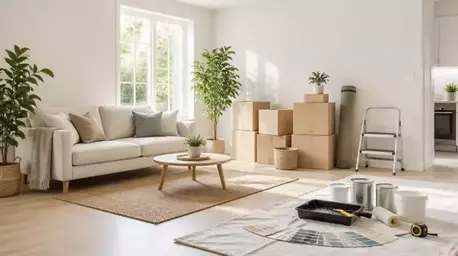 As you prepare for a home renovation, the excitement can easily overshadow the necessary steps to en
Organize Your Sports and Hobbies
![Organize Your Sports and Hobbies]() Are you struggling to find space for your ever-growing collection of sports and hobby gear? Finding
Are you struggling to find space for your ever-growing collection of sports and hobby gear? Finding
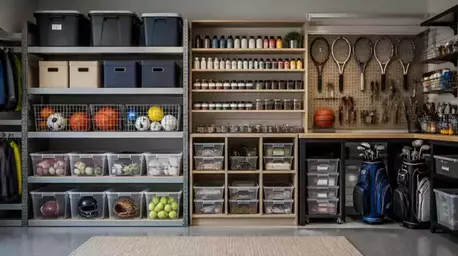 Are you struggling to find space for your ever-growing collection of sports and hobby gear? Finding